

Table of Contents
- The Client-Accountant Communication Gap
- Common Tax Deductions for Small Business Owners That Get Overlooked
- How Bookkeeping Errors Lead to Missed Tax Credits and Write-Offs
- Documentation Requirements: What Your Accountant Needs to Find Deductions
- Small Business Tax Preparation Checklist 2026
- How to Amend a Tax Return for Missed Deductions
- Preventing Future Missed Deductions: Technology and Ongoing Tax Strategy
Last Updated: August 22, 2026
The Client-Accountant Communication Gap
Most small business owners assume their accountant knows everything about their finances. They don’t. The biggest reason your accountant misses tax deductions isn’t incompetence, it’s incomplete information. Your accountant can only find deductions from the data you provide, and most business owners don’t know what to share.

Here’s what happens: You hand over bank statements and receipts. Your accountant categorizes obvious expenses and files your return. Meanwhile, you’ve left thousands on the table because your accountant never knew about that home office renovation, professional development courses, or vehicle expenses that qualify.
The problem isn’t that accountants don’t know the tax code. It’s that they don’t know your business. They don’t see your daily operations or understand which expenses directly support your revenue. This is why working with a firm like Art Marina Tax Firm that emphasizes ongoing communication and year-round support matters, they build a relationship with your business, not just a transaction.
The fix starts with you. Before your accountant can find deductions, they need visibility into your spending patterns. Tell your accountant about major business decisions: equipment purchases, contractor hires, and training investments. Don’t wait until tax season.
Documentation is the foundation. Your accountant needs receipts, invoices, mileage logs, and clear expense categorization. Without documentation, even legitimate deductions become risky. The IRS expects you to back up claims with evidence.
Common Tax Deductions for Small Business Owners That Get Overlooked
Small business owners consistently miss standard deductions that directly reduce tax liability. The reason they’re overlooked is simple: your accountant doesn’t know they exist in your situation.
Home office deductions are the most common miss. If you have a dedicated space where you conduct business, you can deduct a portion of rent, utilities, internet, and home insurance. The IRS allows either a simplified method ($20 per square foot) or actual expense method. For a 200-square-foot office, that’s $4,000 annually in potential deductions (irs.gov).
Vehicle expenses get missed constantly. If you use your vehicle for business, you can deduct either actual expenses (fuel, maintenance, insurance, depreciation) or the standard mileage rate. Most accountants don’t ask for mileage logs, so they don’t claim this deduction at all. Keeping detailed mileage records can unlock thousands in write-offs.
Professional development and training often go unclaimed. Courses, certifications, conferences, and books related to your trade are deductible. Document these expenses and mention them to your accountant.
Meals and entertainment tied to business are deductible when properly documented. Client lunches and working meals that directly support business development can reduce your tax liability. The key is showing the business purpose and attendees.
Contractor and freelancer payments are deductible business expenses. If you pay independent contractors over $600 annually, you’ll need to issue a 1099 form. Track these payments carefully.
Equipment and software subscriptions are overlooked because they’re routine spending. Every subscription you pay for business purposes, accounting software, project management tools, design platforms, is deductible. Keep a list of annual subscriptions.
Insurance premiums for business liability, professional liability, or workers’ compensation are fully deductible. Health insurance premiums for self-employed individuals are also deductible.
How Bookkeeping Errors Lead to Missed Tax Credits and Write-Offs
Poor bookkeeping creates a cascade of missed opportunities. When your chart of accounts isn’t organized properly, expenses get miscategorized. When transactions lack clear descriptions, your accountant can’t trace the business purpose. When reconciliation doesn’t happen regularly, errors compound.
Bookkeeping errors directly impact tax planning. Your accountant can’t identify spending patterns if records are chaotic. They can’t spot opportunities to shift income or expenses into more favorable tax years. They can’t recommend strategic timing for major purchases.
The most common bookkeeping mistake is mixing personal and business expenses. Your accountant has to guess which is which, creating audit risk and making it harder to claim legitimate deductions confidently.
Another frequent error is failing to track expense details. You record a $500 payment but don’t note what it was for. Your accountant has to categorize it based on the vendor name alone. Detailed transaction descriptions matter.
Depreciation gets missed when equipment purchases aren’t tracked separately. If you buy $10,000 in equipment but lump it into "supplies," your accountant doesn’t know it qualifies for depreciation or Section 179 deductions.
Missing reconciliation is a silent killer. If your bank account isn’t reconciled monthly, discrepancies hide. Your accountant builds tax planning on incorrect numbers.
The fix is implementing a consistent bookkeeping system. Use accounting software that forces categorization. Require clear descriptions for every transaction. Reconcile accounts monthly. When bookkeeping is tight, your accountant has clean data to work with and can focus on tax strategy.
Documentation Requirements: What Your Accountant Needs to Find Deductions
Your accountant needs specific documentation to claim deductions confidently. The IRS requires you to substantiate deductions with evidence.
For home office deductions, document your office space dimensions and the percentage of your home it represents. Keep receipts for renovations, furniture, or equipment. If using the simplified method, just document the square footage.
For vehicle expenses, maintain a mileage log showing date, destination, business purpose, and miles driven. The IRS expects contemporaneous records kept at the time of travel (irs.gov). If using actual expenses, keep receipts for fuel, maintenance, insurance, and registration.
For meals and entertainment, keep receipts showing the date, vendor, amount, attendees, and business purpose. A credit card statement alone isn’t enough. You need the itemized receipt.
For professional development, keep course certificates, receipts, and materials. Document how the training relates to your business.
For contractor payments, maintain invoices and payment records. If you pay a contractor over $600 annually, you need their tax identification number to issue a 1099.
For equipment purchases, keep receipts showing the date, description, and cost. Document the business purpose.
For insurance premiums, keep policy documents and payment receipts organized by policy type.
The broader principle: if you can’t explain a deduction to the IRS with documentation, don’t claim it. Your accountant’s job is to claim deductions your records support.
Small Business Tax Preparation Checklist 2026
Preparing for tax season doesn’t start in January. It starts throughout the year with consistent record-keeping and organization.
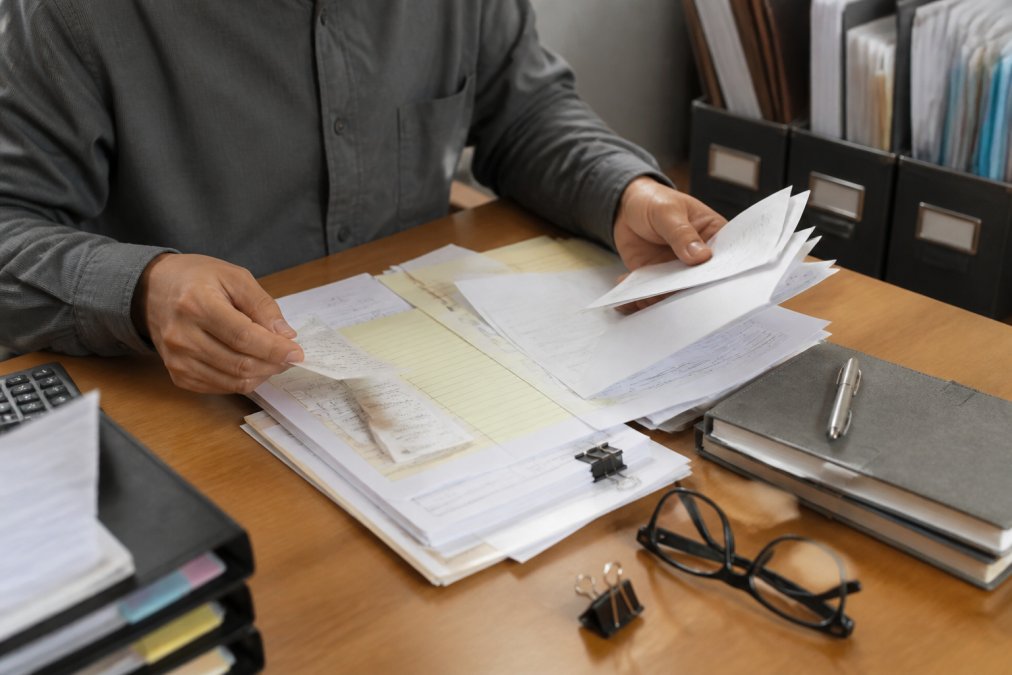
Year-Round Tasks:
- Reconcile bank and credit card accounts monthly
- Categorize transactions consistently using your chart of accounts
- Keep receipts for all business expenses
- Document business purpose for meals, entertainment, and travel
- Maintain mileage logs for business vehicle use
- Track home office expenses if applicable
- Save invoices for contractor payments over $600
Before Year-End:
- Review your chart of accounts for accuracy
- Reconcile all accounts through December 31
- Calculate estimated quarterly tax payments if self-employed
- Identify large equipment purchases for depreciation planning
- Gather documentation for all major business expenses
- Review contractor payments to determine 1099 requirements
Before Sending Records to Your Accountant:
- Organize receipts and invoices by category
- Create a summary of major business expenses
- List all income sources with supporting documentation
- Prepare a list of deductible expenses you want to claim
- Document home office setup if claiming that deduction
- Gather health insurance premium receipts if self-employed
What to Send Your Accountant:
- Complete bank and credit card statements for the year
- All business income documentation (1099s, invoices, etc.)
- Organized receipts for major expenses
- Mileage logs if claiming vehicle deductions
- Home office documentation if applicable
- Insurance premium statements
- Contractor payment records and 1099 information
- Depreciation schedules for equipment purchased
This checklist prevents the scramble when tax season arrives. When you’re organized, your accountant spends less time organizing records and more time finding deductions.
How to Amend a Tax Return for Missed Deductions
If you’ve already filed your return and realized your accountant missed deductions, you can file an amended return using Form 1040-X for individual returns or Form 1120-X for business returns. The form requires you to show the original numbers, corrected numbers, and explanation for the change.
The process starts with identifying what you missed. Review your filed return and compare it to your actual records. Once you’ve identified the missed deductions, calculate the additional deduction amount and tax impact.
Next, gather documentation for the missed deductions. You’ll need receipts, invoices, mileage logs, or whatever substantiates the deduction.
Complete Form 1040-X or 1120-X with the corrected information. Be specific about the reason for amendment.
File the amended return with the IRS electronically or by mail. If you’re expecting a refund, the IRS will process it and send you a check.
Generally, you can amend a return within three years of filing (irs.gov). After three years, you lose the right to claim the missed deduction.
Amending a return can trigger an audit if changes are significant. This is another reason to work with a professional. A firm like Art Marina Tax Firm can evaluate whether amending makes sense and handle the process properly.
The real lesson: missing deductions on your original return is preventable. When you work with an accountant who asks the right questions and maintains ongoing communication about your business, you don’t end up in this situation.
Preventing Future Missed Deductions: Technology and Ongoing Tax Strategy
The best way to avoid missed deductions is to build a system that captures them as they happen. This requires the right technology and ongoing communication with your accountant.
Technology automates expense tracking and categorization. Accounting software like QuickBooks, Xero, or Wave can connect directly to your bank accounts and credit cards. Transactions are imported automatically and categorized based on rules you set. When your accountant reviews your records, they’re working with clean, organized data.
Expense tracking apps like Expensify capture receipt images and extract key information. Mileage tracking apps like MileIQ automatically log business miles using your phone’s GPS.
The technology only works if you use it consistently. Many business owners buy accounting software but don’t maintain it properly. The software is just a tool. You have to use it.
Beyond technology, you need ongoing tax strategy conversations with your accountant. A quarterly tax strategy meeting is ideal. You review year-to-date numbers, discuss significant business changes, and plan for the rest of the year. Your accountant can identify trends, spot opportunities for deductions, and recommend adjustments to your tax withholding.
This ongoing communication prevents surprises at tax time. Your accountant isn’t discovering missed deductions in January. They’ve been aware of your business activities all year.
Another key element is education. Understanding the tax code helps you recognize deductions as they happen. Your accountant should educate you about deductions relevant to your business.
Finally, maintain detailed records of business decisions. When you make a major purchase, hire a contractor, or invest in training, document the business purpose.
The pattern is clear: missed deductions result from poor communication, inadequate documentation, and reactive tax planning. You prevent them through organized record-keeping, consistent use of accounting software, and ongoing conversations with your accountant.
Missed tax deductions cost small business owners thousands annually. The gap between what you should claim and what actually gets claimed comes down to communication and documentation. When your accountant doesn’t know about your home office, vehicle expenses, or professional development, they can’t claim those deductions.
Art Marina Tax Firm works differently. We maintain year-round relationships with clients, not just tax-season transactions. We ask detailed questions about your business, review your records continuously, and identify deductions proactively. Our approach to bookkeeping and tax strategy ensures you’re not leaving money on the table. If you’re concerned about missed deductions or want a more strategic approach to tax planning, Book Now to discuss your situation with our team.
Frequently Asked Questions
What should I do if my accountant missed a tax deduction?
First, gather documentation for the missed deduction and contact your accountant to discuss it. If the deduction significantly impacts your tax liability, you can file an amended return using Form 1040-X. Most missed deductions can be corrected within three years of the original filing date. Provide your accountant with detailed records and receipts to support the deduction claim. If your accountant is unresponsive or the issue persists, consider switching to a tax professional who prioritizes thorough deduction research and maintains ongoing communication.
Can I amend my tax return if I find a missed deduction?
Yes, you can amend your tax return to claim missed deductions. File Form 1040-X (Amended Individual Income Tax Return) or the appropriate amended business return. Generally, you have three years from the original filing date to claim a refund for missed deductions. The amendment process takes several weeks to process. Be prepared to provide documentation supporting the deduction. Working with a tax professional ensures the amended return is filed correctly and reduces audit risk.
How do I know if my accountant is maximizing my tax savings?
Ask your accountant directly about their deduction research process and what tax breaks they identified for your situation. Request a detailed breakdown of deductions claimed and credits applied. Compare your tax liability year-over-year to spot trends. Review your tax return before filing and ask questions about any line items you don't understand. A proactive accountant will discuss tax planning strategies before year-end, not just file your return. If you consistently feel like you're leaving money on the table, it may be time to seek a second opinion from another tax professional.
What documents should I provide to ensure my accountant finds all deductions?
Provide complete records including bank statements, credit card statements, receipts, invoices, mileage logs, and expense categorization from your bookkeeping system. Include records for home office use, vehicle expenses, equipment purchases, professional development, and business meals. Maintain a detailed chart of accounts that clearly separates expense categories. Submit year-round documentation rather than waiting until tax season. Granular records make it easier for your accountant to identify tax optimization opportunities and reduce audit risk. The more organized your financial statements and supporting documentation, the more thoroughly your accountant can review your tax liability.
This article was written using GrandRanker